Proper Boat Care for Performance and Longevity
 As most people can deduce, the most important aspect of achieving longevity from your watercraft is proper maintenance. Not only will this add years to the life of your boat, but it will also improve the performance when it’s in use. How you care for your boat will largely depend on where you keep it, whether that is tied to the dock or safely ashore.
Boats that are constantly docked will naturally incur more mildew and will be prone to rusting. When mooring, be sure that all of the ties are securely fastened, the bumpers are out and that the hull is not scraping. Obviously these dangers are not imminent if you keep your boat on land, but it is still important to keep it covered and protected from the elements.
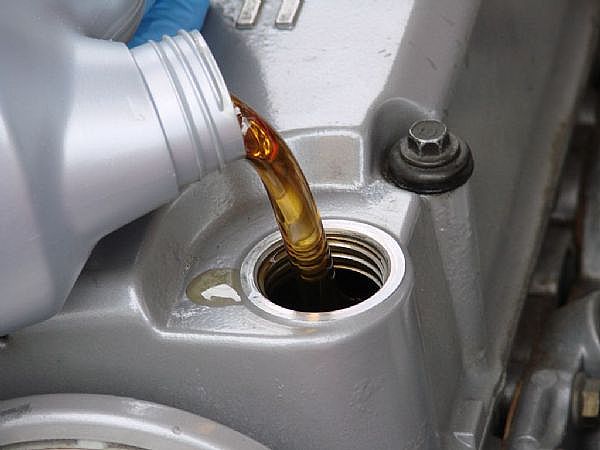
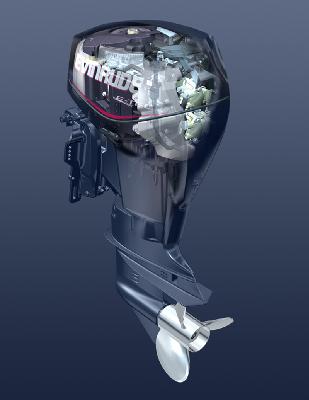
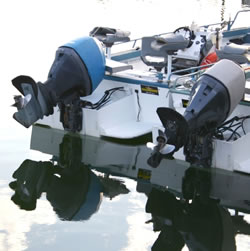
The motor is the heart of your boat, and as such, it requires special attention. To achieve optimal performance, you should flush the motor after every use, and check it for damage and corrosion. Also be sure to inspect all of boat’s systems, such as the cooling, and be sure that there is a good level of Evinrude XD50 oil.
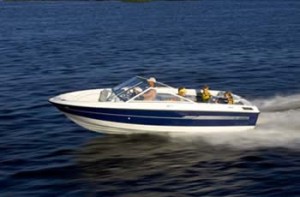
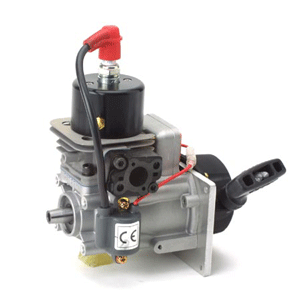 Contrary to popular belief, not all 2-cycle engines are suited for the same purposes. For the most part, 2-cycles can be separated into two distinct groups: water-cooled engines and air-cooled engines. Outboard motors are typically run at high speeds for long durations and then throttled down once a boater reaches his or her destination. Recirculated water keeps these engines cool. On the other hand, most chainsaws are stopped and started frequently, and their engines are air-cooled.
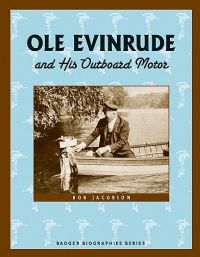 While there is some dispute as to who invented the first practical outboard motor, most credit the discovery to Ole Evinrude, a Norwegian-American inventor who designed the first marketable outboard motors between 1909 and 1912. Ole Evinrude developed the first outboard in 1907, when he filed tested a 1.5 horsepower, 62 pound iron engine. This crude first effort was much different than our modern outboard motors, which can have up to 300 horsepower. Evinrude filed a patent application for his “Marine Propulsion Device” in 1910, and that patent was honored in 1911 and assigned to Evinrude Motor Co. Throughout the next several decades, Evinrude Motor Co. mass produced outboard motors, and went through several mergers and acquisitions. In 1934, Ole Evinrude passed and Evinrude Motor Co. was inherited by Ole’s son, Ralph Evinrude.