A Little Time and Effort
For the most part, automotive maintenance is incredibly simple. The majority of drivers are hardly car experts; they only need to know a few basic precautionary measures. As long as they get the oil changed every 3,000 miles and follow any serious imperatives broached by their mechanic, things work out fine. But a car engine should never be confused with an outboard, which requires more maintenance by its very nature.
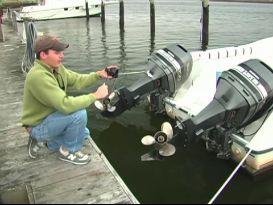
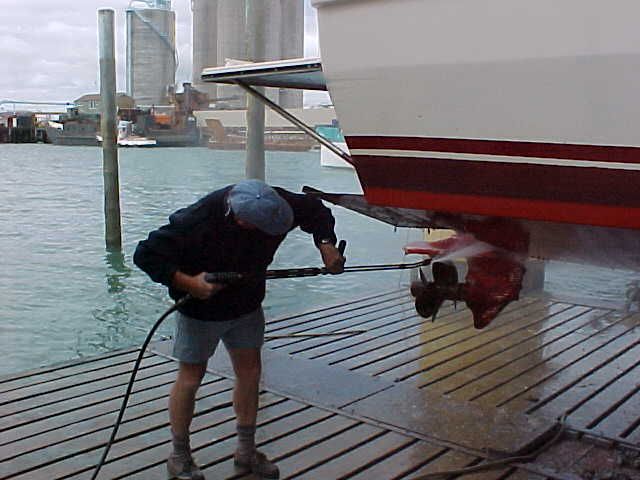
In fact, avid boaters should perform a series of simple steps at the end of every trip. First of all, the engine should be flushed. Salt water can be especially corrosive to the motor’s interior parts, but freshwater can wreak havoc as well. Just restart the engine and watch as the water pump recycles the fluid. Take this opportunity to evaluate the water pump for level of flow.
Next, disconnect the fuel line from the engine and allow any excess fuel to be burned. This will ensure that the entire fuel system is cleaned out and ready to go for your next excursion. Top off the engine with plenty of Yamaha 2m oil in order to guarantee that your outboard is in fine working order. These steps might seem like a hassle at first, but they’ll become routine before long. If a few extra minutes of maintenance work can add months or years to the life of your outboard, isn’t it worth the time and effort?
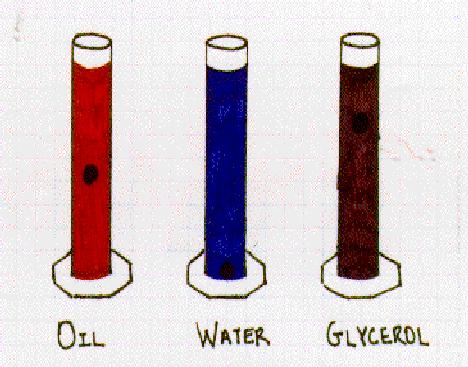
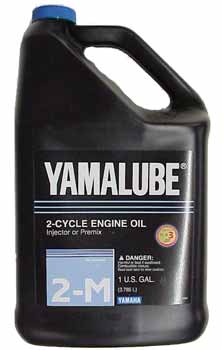 If you’ve been shopping around for outboard oil lately, you’ve probably noticed a small indicator on the label, proclaiming that the oil meets “TC-W3” standards. But what does this designation really mean? As one might expect, TC stands for two-cycle. The W is merely standing in for water-cooled. And the 3 simply means that it’s the third formulation of oil for two-cycle, water-cooled engines.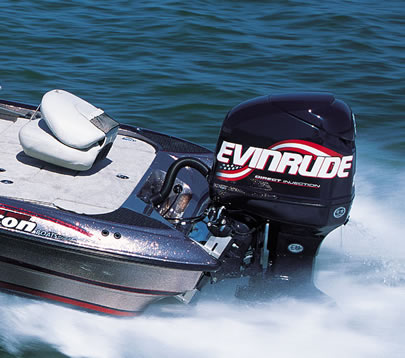
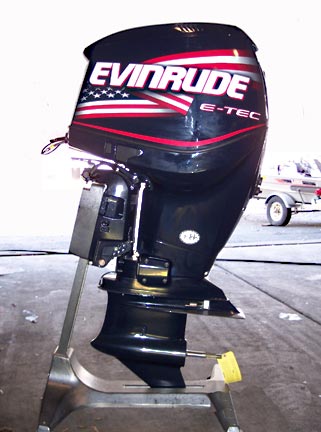 Just a decade ago, the face of the small boating industry was dramatically different. Environmentally conscious boaters were disenchanted with the two-stroke engines of the era – inefficiency and a propensity to pollute had placed them firmly behind their four-stroke counterparts. If that weren’t already enough to signal the two-stroke’s demise, the Environmental Protection Agency set rigorous pollution standards for snowmobiles, personal water craft and other recreational vehicles that utilized two-stroke motors.
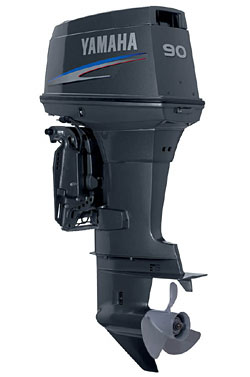 The lower-horsepower outboards highlighted yesterday are perfectly suitable for inflatables, canoes and other small craft, but what about those who want to step up their performance? Mid-range engines are tailor-made for fishermen and other boaters who appreciate the capability of traveling several miles at a time. Outboard motors in the 20 to 35 hp range fit the bill, providing crucial mobility for light fiberglass vessels and sailboats.