
Bulk Oil Helps Environment
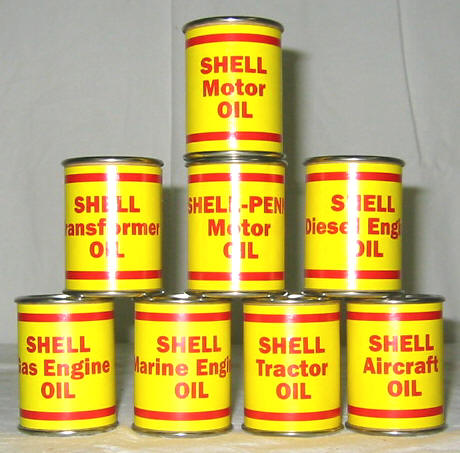
At the U.S. Department of Energy’s National Laboratory, the scientists installed two huge 500 gallon oil storage tanks in order to cut costs and help the environment. The scientists at the Department of Energy conduct tests on automobiles to develop new energy technologies. Having two enormous bulk motor oil tanks instead of keeping the oil in drums helps reduce the potential for oil spills. In addition, the lab will no longer incur the fees associated with disposing of used oil drums, and the scientists also now have the option to purchase re-refined motor oil which costs less and reduces the demand for oil production.
Overall, it’s a win-win situation for the scientists and the environment. The two tanks contain two different formulations of motor oil, one for standard gasoline, and one for diesel motor oil. Purchasing bulk motor oil, whether a lab full of scientists or an average person, can cut costs and also help the environment.


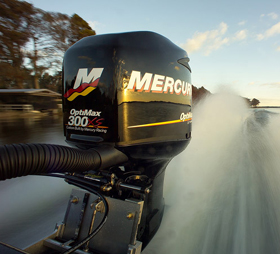
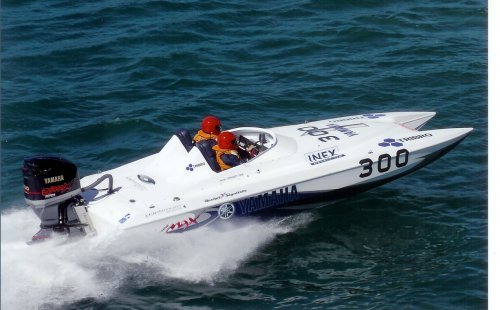
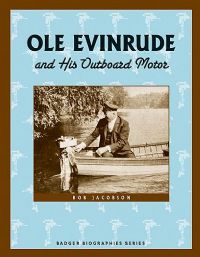 While there is some dispute as to who invented the first practical outboard motor, most credit the discovery to Ole Evinrude, a Norwegian-American inventor who designed the first marketable outboard motors between 1909 and 1912. Ole Evinrude developed the first outboard in 1907, when he filed tested a 1.5 horsepower, 62 pound iron engine. This crude first effort was much different than our modern outboard motors, which can have up to 300 horsepower. Evinrude filed a patent application for his “Marine Propulsion Device” in 1910, and that patent was honored in 1911 and assigned to Evinrude Motor Co. Throughout the next several decades, Evinrude Motor Co. mass produced outboard motors, and went through several mergers and acquisitions. In 1934, Ole Evinrude passed and Evinrude Motor Co. was inherited by Ole’s son, Ralph Evinrude.