
Evinrude Announces Fall Deal on E-TECs
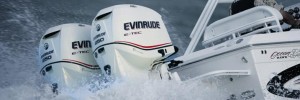
Yesterday we discussed the fuel efficiency standards that were introduced to the outboard motor industry. Prior to that landmark moment, 2-stroke motors were simple and reliable but caused too much pollution to be viable from an economic standpoint. As we alluded to previously, it took a coordinated effort from the Environmental Protection Agency along with motor manufacturers to create any leeway.
Evinrude stepped up in a big way with its E-TEC engine, which was specifically designed to compete with dominant 4-stroke engines of the time. The E-TEC had the advantage of fuel injectors that work to remove water and vapor from the internal parts. The engine was an instant hit, and Evinrude has been touting this flagship model, along with the boat motor oil it uses sparingly, ever since.
In recent days, Evinrude announced its “Best Deal on the Water” fall promotion, offering boaters a five-year, factory-backed warranty on new E-TECs with 40 or more horsepower. The deal lasts through December 22. According to a press release from Evinrude, the E-TEC is the only marine engine on the market with no dealer-scheduled maintenance for the first three years.
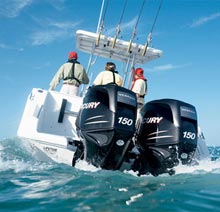 Today’s boaters could be forgiven for putting the past out of mind. As recently as the 1990s, federal rules for outboard engine efficiency were much less stringent – to the point that pollution became a problem and the small boating industry became something of a scapegoat for environmental groups. Around 1996, the marine industry and the Environmental Protection Agency teamed up to create and enforce fuel standards.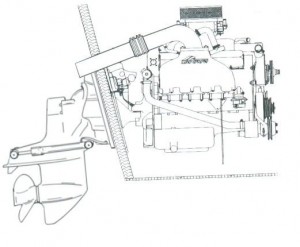
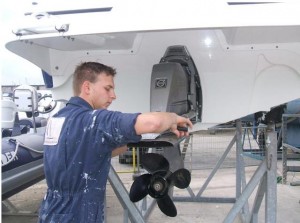
 Over the last few months, we’ve visited and revisited the threat posed by ethanol additives to the small boat industry. Specifically, ethanol lobbyists are seeking a waiver to sell E15 – that’s gas with a 15 percent concentration of ethanol – or even E20 as a standard fuel mixture for marine engines. As many boaters are aware, most small vessels on the market and in the water today are ill-equipped to deal with such high concentrations of the additive.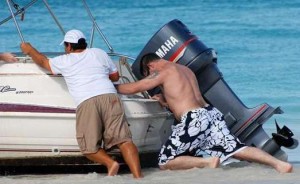
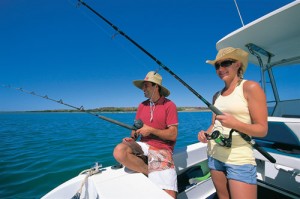 With technology advancing by leaps and bounds in recent years, allowing anglers to pinpoint their location, route, and the best places to find fish, it should come as no surprise that reliable batteries and charging systems are a top priority. Many boaters rely on GPS, fish finder technology and VHF radios for communication; none of this would be possible without the juice required to power the whole enterprise.