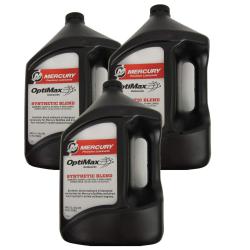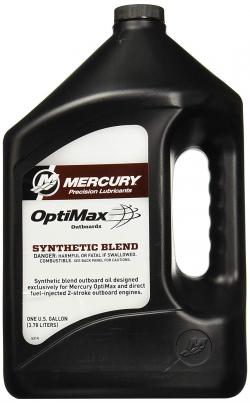

The Lowdown on Outboard Motor Oil: What You Need to Know
Ahoy there, fellow boating enthusiasts! If you’re like me, you probably spend countless hours out on the water, soaking up the sun and enjoying the freedom that comes with being out on a boat. But have you ever stopped to think about what keeps your trusty outboard motor running smoothly? That’s right, I’m talking about outboard motor oil. In this blog post, we’re going to dive into the nitty-gritty details of outboard motor oil and why it’s so important for keeping your engine in tip-top shape.
Let’s start with the basics. Outboard motor oil is specifically designed for use in marine engines, such as those found in boats and other watercraft. It’s formulated to withstand the unique challenges that come with operating in a marine environment, such as exposure to saltwater and high temperatures. Using the right type of oil is crucial for ensuring that your engine performs at its best and lasts for years to come.
When it comes to choosing outboard motor oil, there are a few key factors to consider. First and foremost, make sure you select an oil that is recommended by your engine manufacturer. Using the wrong type of oil can lead to performance issues and potentially even damage your engine. Additionally, pay attention to the viscosity grade of the oil – this determines how well it flows at different temperatures. Opting for a multi-viscosity oil is usually a safe bet for most boating conditions.
Regularly changing your outboard motor oil is essential for maintaining optimal engine performance. Over time, oil can become contaminated with dirt and debris, which can cause increased wear on engine components. Most manufacturers recommend changing your oil every 100 hours of operation or at least once a year – whichever comes first. Be sure to follow your manufacturer’s guidelines closely to keep your engine running smoothly.
In addition to regular oil changes, don’t forget about other routine maintenance tasks like checking and replacing filters, inspecting spark plugs, and greasing moving parts. Taking care of these small tasks can go a long way in preventing costly repairs down the line and ensuring that your boat stays shipshape.
Conclusion: So there you have it – everything you need to know about outboard motor oil! By choosing the right type of oil, regularly changing it, and staying on top of routine maintenance tasks, you can keep your engine purring like a kitten (or should I say roaring like a lion?) for years to come. Happy boating!