

TC-W3: What Does It Test?
Today we conclude our two-part series on the TC-W3 oil certification program, which is headed up by the National Marine Manufacturers Association. As discussed previously, the goals of creating a new two-cycle marine oil standard were two-fold: to reduce the number of pollutants released into the environment and to make engines more sustainable by reducing the mixture ratio to fuel.
Any two-stroke oil on the market today that bears the TC-W3 stamp of approval either meets or exceeds rigorous lubrication requirements that are set by the NMMA. The NMMA performs a series of tests such as fluidity, viscosity and lubricity. In addition, the association looks for carbon buildup on the pistons, which can be a sign that the oil isn’t doing its job.
If you’re in the market for a fresh bottle of outboard motor oil, you could do worse than making your ultimate decision based on TC-W3 certification. The leading two-cycle motor oil brands such as Mercury, Evinrude and Yamaha, all feature specific offerings that make the grade. The blend of additives present in Mercury oil is especially highly touted boat enthusiasts across the country.
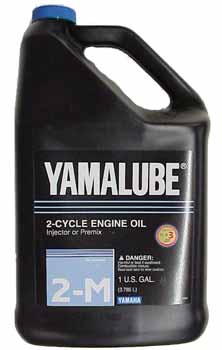 If you’ve been shopping around for outboard oil lately, you’ve probably noticed a small indicator on the label, proclaiming that the oil meets “TC-W3” standards. But what does this designation really mean? As one might expect, TC stands for two-cycle. The W is merely standing in for water-cooled. And the 3 simply means that it’s the third formulation of oil for two-cycle, water-cooled engines.
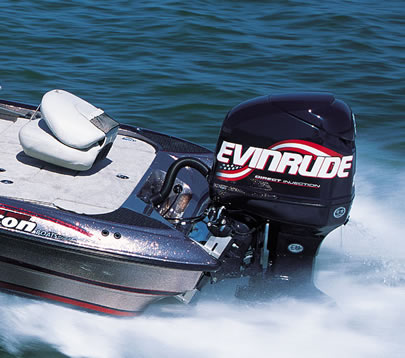
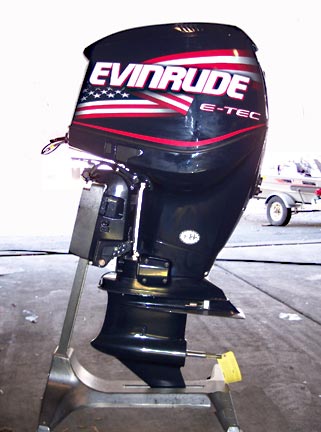 Just a decade ago, the face of the small boating industry was dramatically different. Environmentally conscious boaters were disenchanted with the two-stroke engines of the era – inefficiency and a propensity to pollute had placed them firmly behind their four-stroke counterparts. If that weren’t already enough to signal the two-stroke’s demise, the Environmental Protection Agency set rigorous pollution standards for snowmobiles, personal water craft and other recreational vehicles that utilized two-stroke motors.
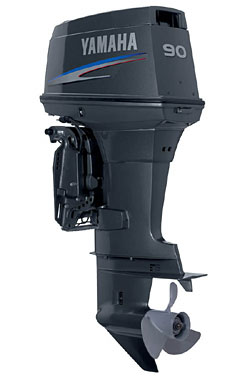 The lower-horsepower outboards highlighted yesterday are perfectly suitable for inflatables, canoes and other small craft, but what about those who want to step up their performance? Mid-range engines are tailor-made for fishermen and other boaters who appreciate the capability of traveling several miles at a time. Outboard motors in the 20 to 35 hp range fit the bill, providing crucial mobility for light fiberglass vessels and sailboats.