

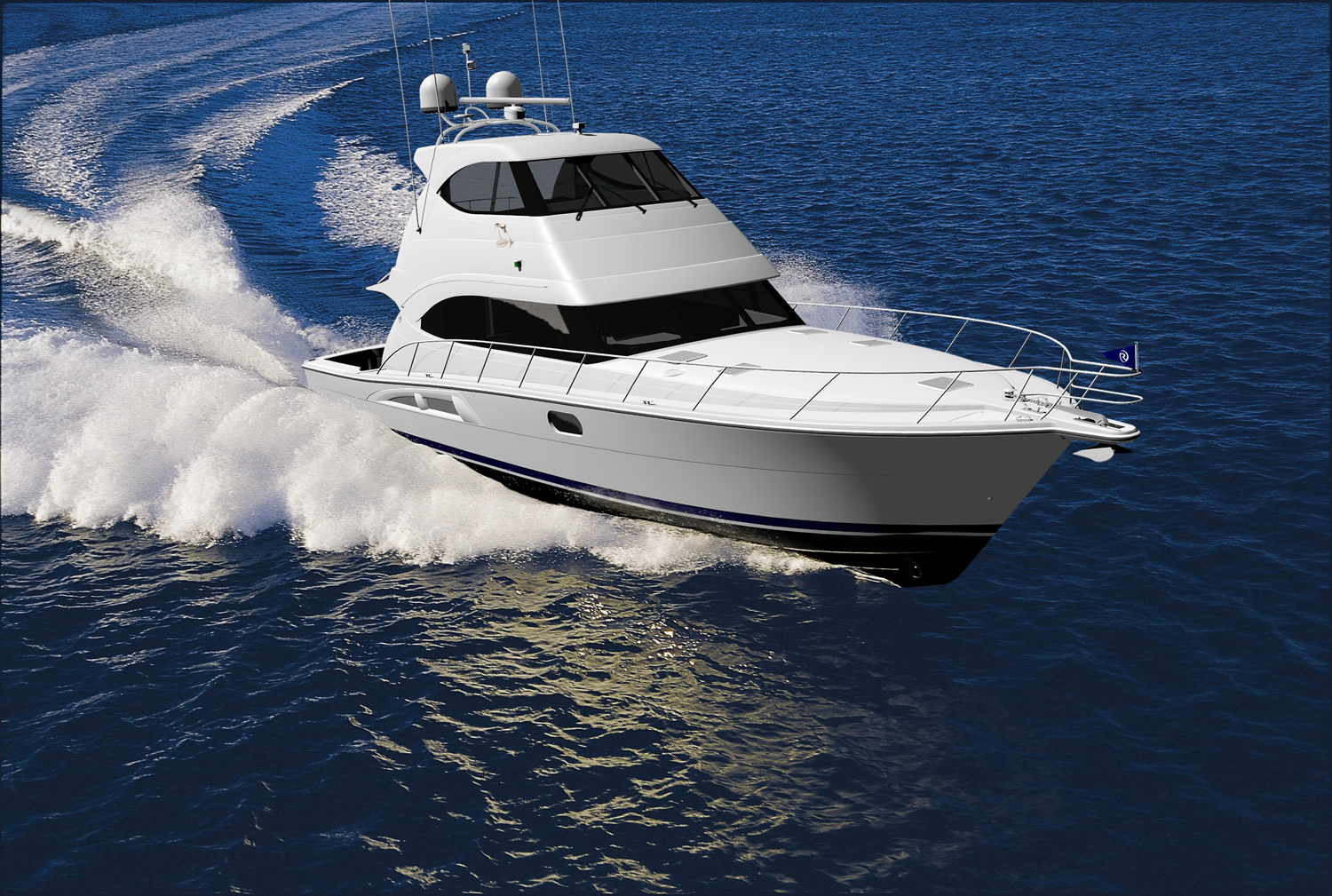


When Buying an Outboard, Think Long-Term
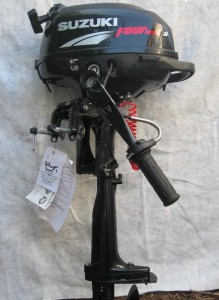 Buying an outboard motor is a process that should not be taken lightly. As perhaps the most critical purchase you’ll ever make in regards to your boat, it deserves significant preparation and forethought. Take some time to explore the market – both online and at nearby dealerships. Scan the classified ads in your local newspaper for used outboards, but remember that most marine engines manufactured since 1990 should receive TC-W3 certified bulk motor oil.
Our logical tendency as consumers is to seek out the best deal, and to some that might mean the lowest price. Unfortunately, the cheapest goods don’t always equate to the best value. There’s a lot of truth in the old saying that “you get what you pay for.” Still, it’s possible to find a lot of value on the used market. You’ll just need to be discerning when making your selection.
When making your purchase, try to look beyond the price-tag and the immediate costs. All outboards require basic maintenance, and in the case of a high-quality model, that maintenance should be enough to make the engine last for years at a time. Before latching onto a bargain-basement-priced off-brand outboard, ask yourself if it’s really worth it in the long run.
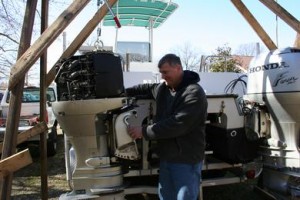 By now you’re probably familiar with the big three names in outboard motors: Evinrude, Yamaha and Mercury. In recent years, the Environmental Protection Agency has tightened its restrictions on engine efficiency and marine pollution. This just makes sense as the American public becomes more sensitive to ecological issues and biofuels are made a viable alternative to fossil fuels in automobiles.
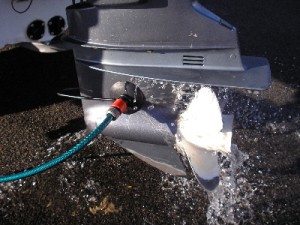
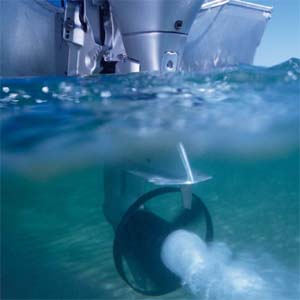 Yesterday we discussed the virtues of purchasing the proper propeller for one’s small boat. I received some correspondence from some longtime readers requesting specifics. The most common questions had to do with the “pitch” of the propeller and what that might mean for engine efficiency. So, thanks to popular demand, let’s take a closer look at that undervalued part that cuts through the water with authority.
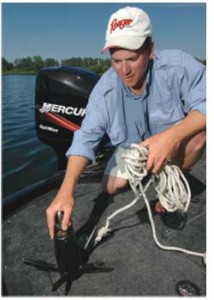 If fuel efficiency and thrift are important to you – and let’s face it, most small boat owners are a bit hard up for cash these days – consider thinking outside the box. We’ve sung the virtues of fuel flow meters, marine GPS units and routine maintenance habits, all of which will help you save on fuel and maximize your fishing or cruising experience. Still, these are far from the only serious steps a money-savvy boat owner can take to cut down on costs. For instance, make sure you choose a
 With a vast array of products available for your boat and WaveRunner, it can be difficult to decide what products are right for you. If you are unfamiliar with purchasing oil and other products, stick with manufacturer and name brands until you are more familiar with product specifications. Products, such as
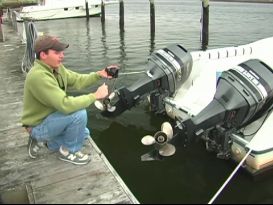 Yesterday’s post about fuel flow meters got me thinking about other simple ways for boaters to save money in this uncertain economic client. If you can’t afford upgrade your boat’s meter and instrument panel at this time, there’s no need to despair. With a bit of discipline and ingenuity, you can help ensure that your marine vessel will never let you down in a pinch.
 Earlier this week, we provided a few simple suggestions to aid boat owners in a financial pickle. It’s amazing to consider how much money the average boater could save by just cutting down slightly on fuel costs. Recognizing that not everyone has the resources or the patience to conduct thorough tests to find a boat’s “sweet spot,” it’s time to highlight a technological innovation that does the job for you.