


The Great Outboard Motor Oil Debate
If there is one aspect of outboard motors that no two users agree on, it’s whether to use manufacturer branded outboard motor oil or a generic outboard motor oil. You can think of outboard motor oil needing to meet a quality benchmark that is enforced by the TCW3 standards; this is the bare minimum. In addition to meeting these standards, all outboard motor oil contains different additives. For example, the Yamalube brand from Yamaha is marketed as being ideal for use in Yamaha outboard motors.
When it comes down to it, the additives in outboard motor oil make all the difference. While an outboard motor oil made by Pennzoil won’t have the same additives as that of one made by Yamaha, Evinrude, or Mercury, it does contain the basics needed to meet TCW3 standards. For the avid outboard motorist, using manufacturer produced oil makes sense, as these owners will tend to use their engine more. For the owner who uses their outboard motor just a handful of times each year, a generic oil will work fine.
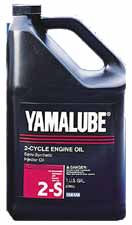 I’ve often received questions about whether two cycle oil has a shelf life, and if we’re talking about unused oil sitting on a shelf, then no. There’s no reason you can’t use two cycle oil that was refined even 50 years ago, though it won’t contain the same additives as newer oil. However, you shouldn’t leave oil in your oil tank for more than a year without use. Under these circumstances, the oil can solidify and become quite gelatinous. When the engine is started with this kind of oil inside of it, it can cause serious damage.
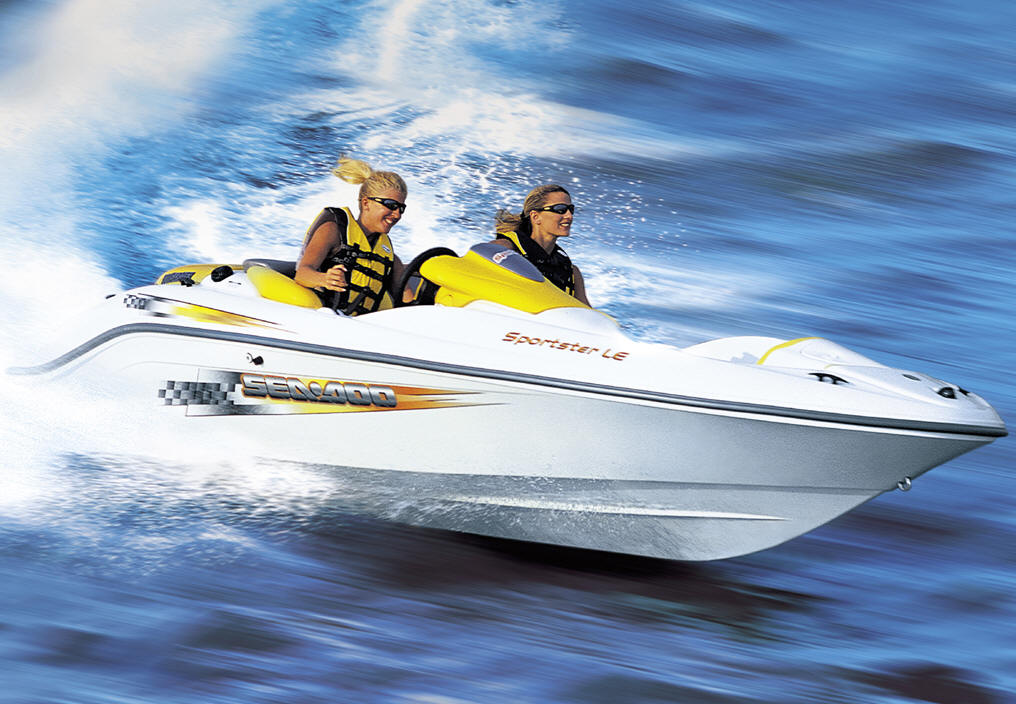
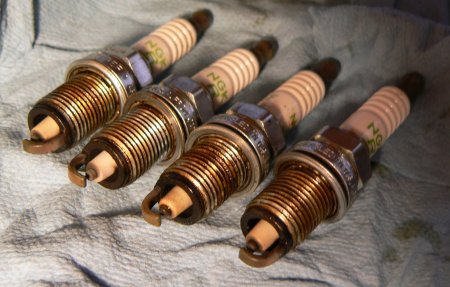
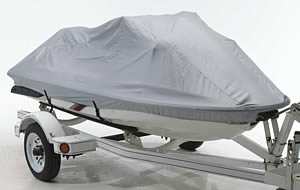 Before the weather gets too cold, it’s a good idea to winterize your PWC or WaveRunner. Winterizing your PWC or Waverunner ahead of time will help you get back on the water earlier next spring or summer. To start, you will want to drain the engine and ensure all the water is out of it. The best place to do this is right at the loading dock; start the engine a few times for no more than 30 seconds to flush out all the water. The next step is to clean up; wash the exterior and ensure that the watercraft is dry. Ensure that you fill up the gas tank to avoid condensation, and remember to store it in a cool place. It’s also a good idea to fill up on