
Archive for November, 2008

Oil, the substance used to power or lubricate a majority of modern machines, is produced in nature by heating and compression of ancient organisms. Petroleum, also called crude oil, is formed from the prehistoric remains of plankton and algae. Over the course of several thousand years these deceased organisms sink into the ground, covered by layers of mud and sediment, and can form into crude oil when specific conditions of heat and pressure are met. Those which do not form into oil form natural gas pockets or into a waxy substance called kerogen.
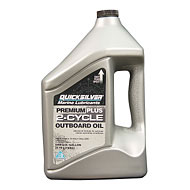
Once a crude oil pocket is located, it can be drilled and pumped out of the ground, then refined into gasoline, motor oil, diesel fuel, outboard motor oil, jet fuel, kerosene and hundreds of other useful products.
Now and then with certain models of outboard motors, the oil injection system will appear to not work properly. However with most oil injection systems, this is a wrong diagnosis. It would seem that an outboard motor can damage itself by running lean, but in actuality, an engine wearing down due to running lean is not related to oil injection. Bearing failure and seizing in engines are oil related; running lean is a carburetion issue.
There are several ways to test the oil in the engine which can be done without a lot of technical knowhow. For example, if using a mercury outboard motor, mark the level of the oil in the tank with the engine perfectly vertical. Then add a known quantity of mercury oil, and mark the new level. If you have a separate tank, add an amount of fuel corresponding to the amount of oil you added in a 50:1 ratio. Run the measured amount of fuel through the engine. The oil level should go to the first mark, if it doesn’t, it’s not oiling at 50:1, and thus something is wrong.
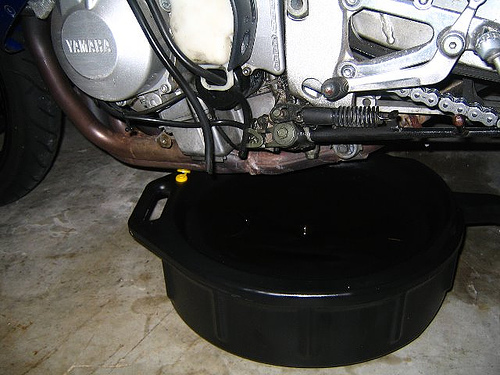
Changing oil in your outboard motor is much like changing the oil in your car. First you will want to locate the gearcase and loosen the top screw. Next place a drain pan beneath the unit to collect the used oil. Loosen the bottom drain screw and remove it. Let the oil drain for about five minutes, longer if it is slow to drain. Check your oil for metal particles, or if other liquids like water are present. Should either be present, consult a mechanic or qualified service individual.
When the oil is done draining, using mercury oil or your brand of choice, fill the unit from bottom to top, until oil comes out the top screw hole. Screw the top screw in first, and immediately replace the bottom screw. Ensure both screws are tight to prevent leaks.
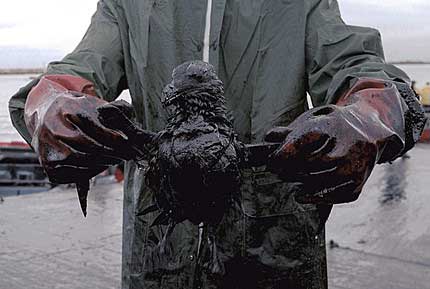
Oil spills are harmful aquatic wildlife and plants, and through permeable surfaces, can enter underground streams and reservoirs and effect drinking water. It is essential to avoid oil spills and provide immediate containment should a spill occur. If a small amount of marine engine oil should be spilled while filling the tank, or as backsplash out of the fuel intake, an oil absorbent sweep is great way to clean up surface spills. The sweep is drawn over the water’s surface to absorb the sheen of oil, and works well for smaller spills.
For pre-emptive protection from an oil spill, remember to change your oil filter often, and also a bilge boom can act to soak up and absorb gas and oil spills before entering the water.

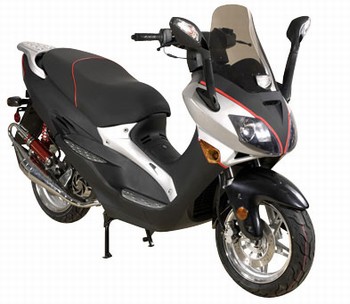
Here are some common mistakes to avoid when buying a new scooter. First of all, when looking at the various different styles of scooters, you will want to also think about how the scooter fits you. Scooters are made to suit different body frames and sizes. You will also want an accurate idea of what you will use the scooter to do. Whether it’s highway, long distance, or short distance travel, this will determine the kind of engine you buy. Another important point is to shop around, and don’t be unwilling to travel longer distances for a better deal. It’s worth it in the long run!
You will also want to keep in mind that scooters use different types of automobile products. For example, you will need Yamalube oil or another type of motor oil suited for small vehicles.

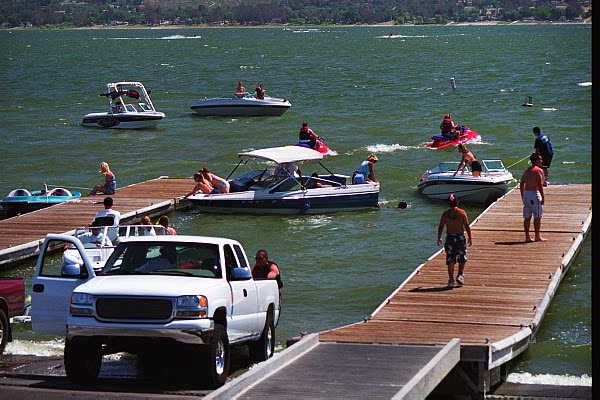
When launching your boat, whether at a conventional boat launch or in a less trafficked location without a boat launch, there are a few precautions to take before you start boating. First you will want to check the boat motor oil and fuel levels to ensure you have enough of both. Second you will want to inspect your propeller whether you use an outboard motor or an internal. In case you have boated recently, also check the hull of your boat for invasive plant species, this is pertinent for lakes and contained bodies of water.
After you have launched your boat, a few handy items to have for boating include a boat hook, a rope to tie off at docks, and a small dingy or inflatable craft should there be an emergency.

When changing the oil in your motorcycle or scooter, it is good to have an idea of how far your vehicle can travel before needing more, and what kinds of oil are best to use. Yamaha “Yamalube” oil tends to be the brand of choice for most motorcycles and scooters. For maximum performance and efficiency, use a Yamalube 2S oil. Most motorcyclists and scooter owners will estimate travel between 400-600 miles from one quart of oil.
However it is good to continue to check your oil level regularly before the light flips on your vehicle.