
Archive for the ‘Gas Prices’ Category
Don’t let the gloom and doom predictions of high gas prices keep you from your boating passion. Even with bulk oil costs soaring, it’s still possible to have some money in your pocket when you leave the fuel pier. By understanding your boat’s design – whether it has a displacement, semi-displacement, or planning hull – and doing some easy calculations, you will know the boat’s most economical cruising speed.
Displacement and Semi-Displacement Boats
Displacement hulls are designed to force their way through the water. A semi-displacement hull achieves a partial plane, which reduces drag and wave making. Both have a top speed that cannot be exceeded without increasing the power significantly. A large power increase also means greater fuel consumption.
To figure the maximum speed, multiply the square root of the waterline in feet times 1.34. Using this calculation for a 38 ft. displacement hull boat, the maximum speed is 9.2 knots. To save money on gas with a displacement or semi-displacement hull, do not try to increase your speed past the calculated maximum speed. In the case of the displacement hull, increasing power to go faster will use more fuel without a resulting speed gain. With a semi-displacement hull, your speed will increase, but there will be a corresponding fuel consumption increase.
Planing Boats
Pull back on the throttles with a true planing hull. Fuel consumption increases with every knot while the boat is on plane. A boat with a planing hull has the greatest fuel economy at the point when it first comes onto plane, or begins to skim the surface of the water.
Limiting the amount of time a planing boat displaces water before coming onto plane will also result in reduced fuel costs. This doesn’t mean slam the throttle downs to get up on plane faster. Instead, bring the boat up to speed at a moderately quick, steady pace.
If you are like me, you like to go fast quickly. But, if you follow these tips for reduced fuel consumption, you will finish at the end of the boating season having won the fuel marathon with a few extra dollars in your pocket.
This weekend, it was announced that Saudi Arabia will increase oil output by an additional 200,000 barrels. This will make the daily total of bulk oil 9.7 barrels. The news caused a slight decrease in gas prices, though most analysts are saying that this will not cause a dramatic change in prices.
Despite this output, the White House is still championing an increase in U.S. supplies via off-shore drilling.
The floods in Iowa this week could predicate rising gas prices, yet reports of a decline in gas sales have urged companies to finally keep their prices points low. In the second day of slippage, gas prices have shown that their prices have increased 36% versus a 94% increase in bulk oil. The discrepancy is hard to miss, but the demands for gasoline have been decreasing since January, with many people using alternative transportation such as busses, bikes and carpools.
The upcoming financial forecast for fuel suggests different outcomes. A potential strike in Nigeria, as well as the floods in the Midwest, could drive up the prices of gas, but as crude oil continues to fall, gas prices may as well.
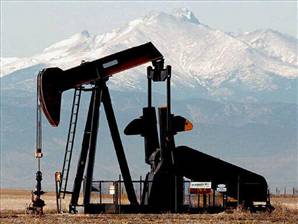
Bulk oil once again hit a mood swing as it surged towards $140 a barrel, only to fall by day’s end. However, the average gas price has hit $4 a gallon, though some areas have been paying up to $4.45 a gallon for regular unleaded gas.
Oil also continues to decline based on the lack of consumption based on the current record break gas prices.
Last week, bulk oil prices fell away from the $130 mark and ended the week at $122. Now, oil prices are rising again to $123 a barrel. This comes at the heels of the dollar weakening against the Euro, as well as beginning of hurricane season. The changing oil prices has failed to slow the prices of gas, however, as it inches closer to an average of $4 a gallon, though most states are paying beyond that now.
Analysts predict that the $4 mark will be the peak and begin to drop as the summer progresses.
On Thursday, declines in bulk oil due to delays with tankers along the Gulf Coast have caused gas prices to rise towards a national average of $3.95 a gallon. Analysts predicted gas prices peaked over Memorial Day weekend, but with Indonesia pulling out of OPEC and the current tanker problems, they are now forecasting a $4 a gallon on a national level soon.
With the boating industry facing an uncertain summer, bulk oil prices went down under $130 a barrel on Tuesday, after the traditionally vacation-heavy Memorial Day weekend. Prices sank amidst reports that demands for gas had dropped due to high costs; others speculate that it was simply a high peak in the normally high holiday weekend.

With these declining prices, analysts are now claiming that gas prices may not reach $4 a gallon, after all.
As reported by NPR, the summer season in New Hampshire’s Lakes Region is just getting started, but as gas and outboard motor oil prices continue to set records on land, some boat owners are keeping their vessels in storage or selling them altogether.
That’s already starting to affect marinas that store, dock, rent and sell boats. Other businesses, such as charter boats and tourist cruises, are setting their summer rates and weighing whether to swallow high fuel costs or pass them on to customers.
Of course, this sudden conservative attitude towards boats means that with a waning demand, the waters are clearer for a more personal boating experience. Though the price of outboard oil is slightly up, the experience of a relaxing boating trip may be worth the hit. However, if you’ve planned your finances accordingly, then boating this summer won’t be such a worrisome activitiy.
Memorial Day weekend is the unofficial start of the summer traveling season and is usually the time when oil prices slightly rise. With less than two days until the weekend begins, bulk oil prices hit a record high of $132 a barrel. This shot up gas prices to $3.80 for the national average. The news comes in light of a report from the U.S. Energy Information Administration that claims gas and oil stocks had declined, as well as President Bush’s unsuccessful trip to the Middle East, requesting a higher production rate.
Analysts are now predicting a national average of $4 for gasoline within the next month and $140 a barrel come September.
The price of bulk oil - yet again – continues to rise to new heights as it reaches near $128 a barrel, pushing the average to roughly $3.79 per gallon. The price of diesel fuel has also gone up to due to China’s demand to refuel their power plants in light of this week’s earthquake. This news comes as President Bush journeys to Saudi Arabia to push the production of oil in the Middle East. Analysts expect the national average for gas to reach $4 a gallon within the coming weeks, though some states are already paying that.